
The most reliable way to get a true showroom finish is professional multi-stage paint correction followed by a durable protective layer like ceramic coating. If your paint is already in decent shape, a disciplined DIY process, thorough decontamination, careful polishing, and a quality sealant can get you close for a fraction of the cost. DIY typically means one focused weekend; professional correction and coating takes longer and costs more, starting at moderate prices for a single-stage polish and increasing for full correction plus coating.
TL;DR:
- Proper correction that levels out microscopic scratches and swirl marks is essential to achieving a true showroom finish; skipping this step results in a less reflective and dull appearance.
- Professional ceramic coatings require a controlled environment to cure properly and should be applied after multi-stage correction, especially on damaged paint, to prevent trapping defects.
- DIY detailing can produce impressive results on well-maintained paint within a weekend, but environmental conditions often hinder proper curing and defect correction for more serious damage.
- Reputable shops include multiple correction stages in their packages and offer tailored maintenance plans, ensuring long-lasting gloss and protection tailored to each vehicle's usage.
- Using high-quality polishes, sealants, and microfiber towels, and applying products in optimal conditions, significantly improves the final high-gloss effect, whether done professionally or DIY.
Table of Contents
- What Does a Showroom Finish Detailing Job Actually Look Like?
- How Do You Achieve Showroom Shine Step by Step?
- Should You Hire a Pro or Detail the Car Yourself?
- Which Products Actually Deliver a High-Gloss Result?
- What Sets a Premium Detailing Service Apart?
- Why the DIY-vs-Pro Debate Misses the Real Question
- Book a Showroom-Ready Detail With Ssfdetail
- Sources
- FAQ
What Does a Showroom Finish Detailing Job Actually Look Like?
A showroom finish isn't just "clean and shiny." It's a specific visual signature featuring deep gloss, clear reflections, and paint without visible swirl marks or holograms under direct light. Park a car with a true showroom finish under a parking garage light, and you should see a sharp, undistorted reflection with no spider-webbing across the surface.
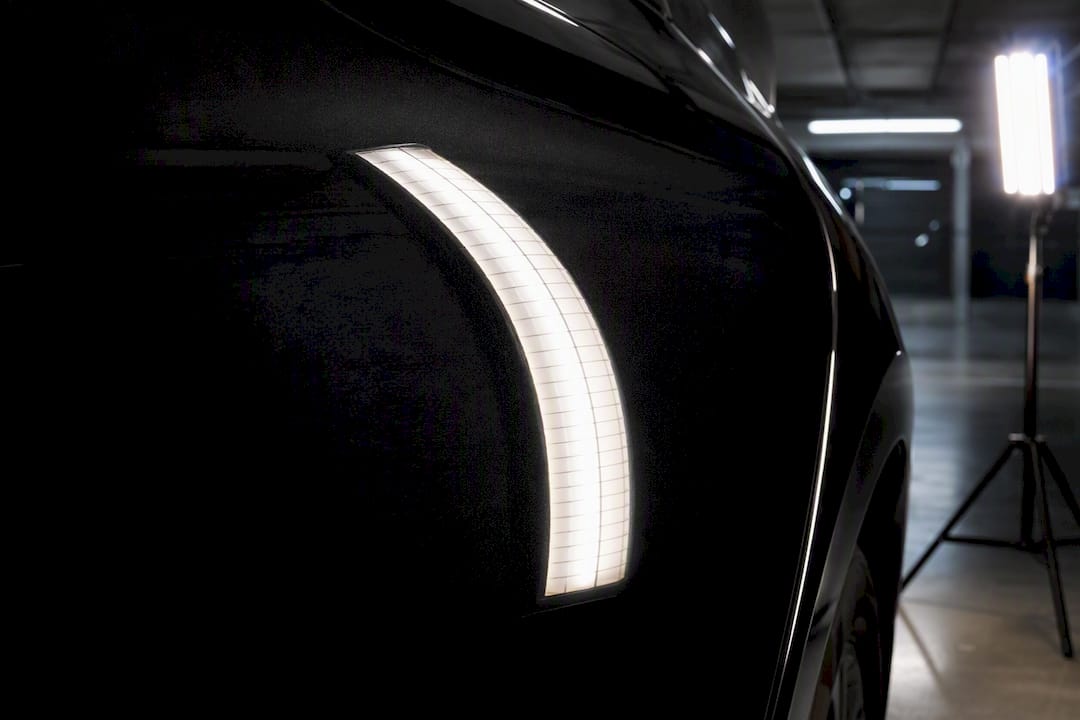
That clarity comes from the clear coat itself, the top layer of your paint system, and how much of it has been optically corrected. Clear coat picks up fine scratches from years of automatic car washes, dust, and improper wiping. Machine polishing levels out that microscopic damage so light bounces back evenly instead of scattering, which is what creates the "wet look" people associate with high gloss car detailing.
The protection layer you choose afterward changes both the look and how long it lasts:
- Carnauba wax delivers warm, deep gloss but typically lasts weeks to a couple of months.
- Synthetic paint sealants trade a bit of that wax warmth for firmer, longer-lasting protection.
- Ceramic coatings create a hard, glass-like layer that holds gloss and hydrophobic behavior for years when installed correctly.
Skipping correction and going straight to protection just seals in existing defects. That's the single most common reason a "detailed" car still doesn't look like it rolled off a showroom floor.
How Do You Achieve Showroom Shine Step by Step?
Getting to a genuine showroom finish follows a sequence. Skip a step and every stage after it works harder to compensate, or fails outright.
- Wash and prep. Use the two-bucket method (one bucket for soapy water, one for rinsing your mitt) with a pH-balanced shampoo to avoid stripping any remaining protection. Rinse with filtered or deionized water when possible to prevent mineral spotting, and dry with a plush microfiber towel or air blower rather than letting the car air-dry in the sun.
- Decontaminate. Iron fallout remover pulls embedded brake dust out of the clear coat, and a dedicated tar remover handles road grime that soap won't touch. Run a clay bar or clay mitt over the paint afterward. If it glides without any grabbing or texture, the surface is smooth and ready for polishing.
- Inspect and correct. Check the paint under bright, angled light (a work light or the sun at a low angle both work) to map out swirls, scratches, and oxidation. Test a small hidden spot with your machine polisher and a cutting pad before committing to a full panel. Light defects usually need only a finishing polish; heavier scratching and oxidation call for a compound first, then a refining polish pass.
- Protect. Wax gives you the fastest gratification but the shortest lifespan. A polymer sealant splits the difference. Ceramic coating requires the most planning: it needs a dust-free, temperature-controlled space to cure properly, since applying it in direct sunlight or high humidity often causes uneven curing, or "high spots," that are difficult to remove afterward.
- Finish the details. Dress the trim, clean and coat the glass, address wheels and tires, and give the interior a matching once-over. This last stage is what makes the exterior work actually register as a complete showroom finish detailing job rather than a partial one.
Pro Tip: Never run a polisher or apply ceramic coating on paint that's hot to the touch or sitting in direct sun. The product flashes too fast to work correctly, and you'll fight streaking or high spots the whole time.
Skill and time vary by step. Washing and clay decontamination are approachable for most owners in an afternoon. Machine polishing has a real learning curve, burned edges and uneven correction are the most common DIY failure points, so practice on a hood or trunk lid before tackling the whole car.
Should You Hire a Pro or Detail the Car Yourself?
The honest answer depends on what your paint looks like right now and how long you want the result to last.
Hire a professional when you're dealing with deep scratches that catch a fingernail, widespread oxidation on a faded or neglected paint job, large areas of clear coat failure, or when you specifically want a warranty-backed ceramic coating rather than a maintenance product. DIY work with a quality polish and sealant handles light swirls, minor water spotting, and general dullness well, but it will not deliver the multi-year protection or the depth of correction that heavier paint damage requires.
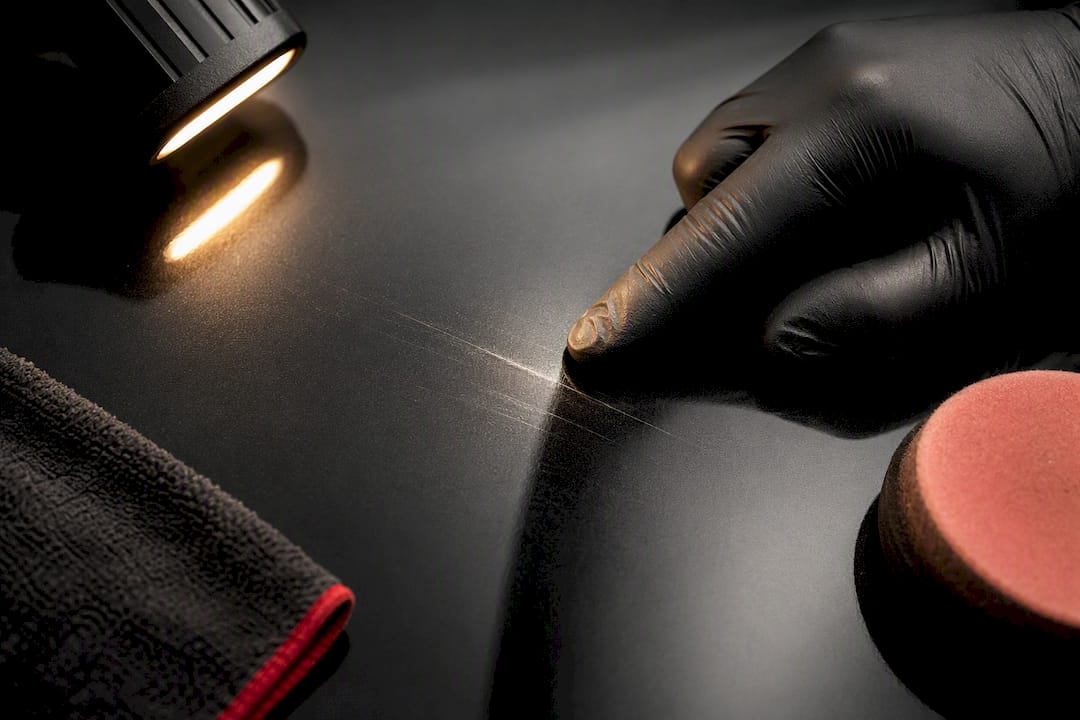
Professional detailing typically breaks into two tiers: a single-day express detail for maintenance-level work, and a multi-day paint correction plus coating package for cars needing real restoration. Costs vary by vehicle size and paint condition, and most reputable shops combine hand washing, clay decontamination, machine polishing, and a protective coating as the standard path to a showroom result.
When you're getting a quote, ask specifically:
- How many correction stages are included, and how will they assess the right level for your paint?
- What coating or sealant brand do they use, and what's the cure and maintenance schedule?
- Does the shop offer a maintenance plan or touch-up service after installation?
- What's actually covered under any warranty, gloss retention, hydrophobic performance, or both?
Which Products Actually Deliver a High-Gloss Result?
Not every bottle labeled "gloss enhancer" does the same job, and using the wrong one at the wrong stage is where a lot of DIY details go sideways.
Polishes and compounds vary by abrasiveness. Compounds cut aggressively to remove real defects; finishing polishes refine that work into a clear, swirl-free surface. Some glazes add temporary oils or fillers that mask minor imperfections and boost perceived depth without actually correcting anything underneath, useful for a quick event, not a lasting fix.
Sealants and waxes split along the same lines as before: waxes like Autoglym's Ultra High Definition Wax use carnauba and refined ingredients for an especially deep, mirror-like look, while polymer sealants sacrifice a little of that warmth for extended durability.
Maintenance sprays fill the gap between full details. Meguiar's Ultimate Insane Shine Paint Glosser boosts gloss and hides light swirls in minutes, but the manufacturer specifically advises against using it over ceramic coatings, since it can interfere with the coating's own surface chemistry.
A detail worth pointing out: detailers consistently flag microfiber towel quality and wipe technique as one of the most underrated factors in a finished result. A cheap, low-pile towel can reintroduce the same fine scratching you just spent an hour polishing out.
- Use high-pile microfiber and cross-hatch wipe patterns for sealants and waxes.
- Never apply polish or coating in direct sun or on a hot panel.
- Match your pad (foam, microfiber, or wool) to the compound's cut level.
- Keep separate towels for coatings, waxes, and glass to avoid cross-contamination.
What Sets a Premium Detailing Service Apart?
Ssfdetail built its reputation on treating paint correction and ceramic coating as a single connected process rather than two separate upsells. Every vehicle serviced, more than 1,350 to date, gets a final approval directly from owner Steven Shames before it leaves the shop.
A premium installation at this level typically includes:
- Full decontamination and multi-stage machine correction before any protection goes on.
- A controlled curing environment for ceramic coatings, avoiding the direct sunlight and humidity swings that cause high spots professionals then have to machine-polish back out.
- Tailored maintenance plans built around how the vehicle is actually driven and stored, whether that's a daily driver, a weekend exotic, or a corporate fleet vehicle.
- Mobile and shop-based options, along with paint protection film for owners who want gloss and physical protection from road debris in the same package.
Why the DIY-vs-Pro Debate Misses the Real Question
Most advice on this topic treats DIY and professional detailing as a loyalty test, like picking a side. That framing wastes your time. The real question is narrower: how much clear coat defect are you actually correcting, and how long do you need the result to hold?
Light swirls and general dullness on a well-maintained car are a genuinely solvable weekend project. The editorial consensus on achievable DIY results backs this up, a disciplined process gets lightly imperfect paint remarkably close to professional-grade gloss. Where DIY consistently falls apart isn't effort or product quality. It's curing conditions. A garage without climate control, applying coating on a warm afternoon, skipping the small test-spot check before committing a whole panel, these aren't skill failures. They're environment failures, and no amount of enthusiasm fixes bad curing conditions.
That's the piece conventional advice skips. If you can control your environment and your defects are minor, do it yourself. If either of those isn't true, the correction work and the coating cure need a shop built for it.
— Martin
Book a Showroom-Ready Detail With Ssfdetail
If you've read this far and would rather hand the correction, curing, and coating logistics to someone else, that's exactly the gap Ssfdetail fills. Every job, from a single-stage polish to full paint correction paired with ceramic coating, gets a final walk-through and approval from owner Steven Shames before your keys come back to you.

Booking starts with a quick estimate, either in person or through photos of your vehicle's current condition. From there, Ssfdetail schedules an inspection to confirm the correction level needed, walks you through coating options and expected cure time, and sets up a maintenance plan so the gloss holds long after you drive off. The team also handles marine and aircraft detailing for owners whose vehicles extend beyond the driveway.
Ready to see what your paint looks like after real correction? Request a quote for car detailing in Boca Raton and get a schedule that fits your car and your calendar.
Sources
- Autoglym | Ultra High Definition Wax
- Ceramic coating in direct sunlight: the real application window
FAQ
How Much Should You Tip for a $200 Car Detail?
Tipping isn't required at most professional detailing shops, but a typical gratuity varies depending on the quality of service, especially for hand-detailed or mobile services where the technician spent hours on your vehicle.
How Do You Get a Showroom Finish on a Car at Home?
Wash with the two-bucket method, decontaminate with a clay bar after removing iron and tar deposits, correct the paint with a machine polisher matched to the defect level, then seal it with a quality wax or polymer sealant. Light defects on well-maintained paint can get remarkably close to professional results in a single weekend.
Is Ceramic Coating at a Dealer Worth the Cost?
It depends heavily on whether correction happens first. A coating applied over uncorrected swirls and scratches locks those defects in permanently, so ask specifically whether paint correction is included before you compare pricing on ceramic coating installs.
How Much Does Professional Auto Detailing Typically Cost?
Pricing depends on vehicle size, paint condition, and scope, ranging from a couple hundred dollars for a single-stage polish and wax up to several times that for multi-stage correction combined with a ceramic coating. Shops offering bundled wash, decontamination, correction, and coating packages typically price them as a combined service rather than separate line items.
Can You Apply Ceramic Coating Yourself?
Consumer-grade ceramic products exist for DIY use, but the coating needs a dust-free, temperature-controlled space to cure evenly. Without that environment, you risk high spots that require machine polishing to correct, which is why many owners choose professional installation for full multi-year coatings.